
Yes. Smoking reduces bone mineral density and measurably raises your fracture risk, especially at the hip and spine. The damage builds with every pack-year you smoke, but it is not a life sentence: quitting triggers real, measurable bone recovery within a year, though that recovery is partial. If you smoke and worry about your bones, the next steps are straightforward: quit, ask your doctor about a DXA scan, and start bone-loading activity now rather than waiting.
TL;DR:
- Smoking causes a 2% reduction in lumbar spine bone mineral density for every 10 pack-years, significantly increasing fracture risk over time.
- Quitting smoking can lead to measurable bone density improvements within a year, with femoral BMD increasing by nearly 3% after cessation.
- The damage is dose-dependent, with early-start smokers and those with additional risk factors facing a higher likelihood of osteoporosis and fractures.
- Smoking impairs bone healing and raises the risk of nonunion and infection after fractures or surgery, but quitting at least four weeks before procedures can reduce complications.
- Combining smoking cessation with resistance training, diet, balance exercises, and medical evaluation maximizes bone recovery efforts.
Table of Contents
- Smoking and Bone Density: What the Research Actually Shows
- How Smoking Damages Bone at the Cellular Level
- Who Faces the Highest Risk From Smoking-Related Bone Loss
- What Happens to Your Bones After You Quit Smoking
- Smoking’s Effect on Fracture Healing and Surgical Recovery
- A Prioritized Plan to Protect Your Bones Starting Now
- When to Get Tested and What the Results Mean
- Where Osteogenic Loading Fits Into a Bone-Building Plan
- What I Think Actually Matters Here
- Consider Osteogenic Loading as Part of Your Bone-Building Plan
- Sources
Smoking and Bone Density: What the Research Actually Shows
The numbers here are not subtle. A large meta-analysis on smoking and hip fracture risk found that for every 10 pack-years a person smokes, lumbar spine bone mineral density (BMD) drops by roughly 2%. That same pooled analysis put lifetime hip fracture risk notably higher in smokers than in nonsmokers, depending on the population studied. Two percent might sound small until you consider it compounds: a 40 pack-year smoking history, common among people who started in their teens and smoked a pack a day for four decades, tracks with a meaningful chunk of spinal bone lost that a nonsmoker never has to make up.
Other pooled data paints an even starker picture for certain fracture types. Research published in the Bone & Joint Journal found that current smoking raises risk of any fracture and substantially increases hip fracture risk across different study populations. That is a wide range, and the width matters: it reflects real differences in how studies define “smoker,” how long people smoked, and what other risk factors were present in the sample. Interestingly, the effect size in some of this pooled data was larger in men than in women, which cuts against the common assumption that bone loss from smoking is mainly a women’s health issue.
A few things to keep in mind when you read statistics like these:
- Pack-years matter more than “smoker” status. Someone who smoked half a pack for five years is in a very different risk category than a 30-year, two-pack-a-day smoker, even though both check the same box on a health intake form.
- Population averages don’t predict your bones. A 31% to 50% relative increase in hip fracture risk describes a group, not an individual. Your baseline bone density, family history, and other health conditions shift where you personally land.
- Most of this data comes from observational studies, not randomized trials, because you cannot ethically randomize people to smoke for decades. That means the associations are strong and consistent, but researchers infer mechanism from biology rather than from controlled experiments.
- Age at measurement changes the picture. Bone loss that shows up as osteopenia at 55 may not have been detectable at 40, even in the same smoker, because peak bone mass and decline rates vary by decade.
What this means practically is that the damage is dose-dependent, not a light switch that flips the day you become a “smoker.” A college student who has smoked for two years does not carry the same skeletal risk as their uncle who has smoked for thirty. But the trajectory, if smoking continues, points the same direction for both.
How Smoking Damages Bone at the Cellular Level
Bone is living tissue that constantly rebuilds itself through a balance between two cell types: osteoblasts, which build new bone, and osteoclasts, which break old bone down for recycling. Smoking tips that balance toward breakdown, and it does so through several overlapping pathways rather than one single mechanism.
At the cellular level, nicotine and other compounds in tobacco smoke interfere with signaling pathways that govern this build-and-break cycle, including the RANKL/OPG system that regulates osteoclast activity and the Wnt pathway that governs osteoblast function. Some research also points to activation of the aryl hydrocarbon receptor (AhR), a cellular sensor that responds to toxins in smoke and can further tilt bone cells toward resorption. A detailed mechanistic review lays out how these direct cellular effects combine with hormonal disruption to produce a compounding effect on skeletal health.

Hormones take a hit too. Smoking lowers circulating estrogen levels, which matters enormously for bone because estrogen normally restrains osteoclast activity. It also disrupts the parathyroid hormone and vitamin D axis, the hormonal loop that manages calcium balance in your blood and bones. When that axis gets thrown off, your body may pull more calcium from bone to maintain blood calcium levels, a slow, silent drain that shows up years later as a lower T-score.
There are also indirect pathways that do not involve bone cells at all:
- Impaired nutrient absorption. Smoking is linked to reduced calcium and vitamin D absorption in the gut, meaning even a smoker eating a calcium-rich diet may not be getting the full benefit.
- Poorer bone blood supply. Nicotine constricts blood vessels, and bone healing and remodeling depend on a steady blood supply to deliver nutrients and clear waste.
- Lower body mass. Smokers tend to run leaner on average, and lower body weight generally correlates with lower BMD because there is less mechanical loading on the skeleton day to day.
- Reduced muscle strength and balance. Chronic smoking is associated with lower muscle mass and impaired balance, which does not weaken bone directly but raises the odds of a fall that turns weak bone into a fracture.
Pro Tip: If you smoke and are worried about bone loss, don’t just focus on calcium supplements. Vascular and hormonal damage from smoking can blunt how well your body uses that calcium in the first place, so nutrition alone won’t offset the effect.
None of these pathways works in isolation. A smoker with low body weight, reduced muscle strength, and a vitamin D deficiency from poor absorption is stacking multiple risk factors on top of each other, which is part of why the fracture risk numbers in pooled studies run as high as they do.
Who Faces the Highest Risk From Smoking-Related Bone Loss
Not every smoker faces the same odds, and understanding where you fall on this spectrum helps you gauge urgency.
Cumulative exposure is the biggest lever. Pack-years, calculated as packs smoked per day multiplied by years smoked, correlates directly with BMD loss. Someone with 20 pack-years carries meaningfully less risk than someone with 40, even if both currently smoke the same amount. This is why quitting at 35 after a 15 pack-year history puts you in a very different position than quitting at 55 after 40 pack-years.
Postmenopausal women and older men show the largest measured effects. Estrogen decline after menopause already accelerates bone loss on its own; smoking on top of that decline appears to amplify BMD reduction and hip fracture risk beyond what either factor produces alone. Older men, who do not get the same research attention in bone health messaging, also show substantial effects in pooled fracture data, and some analyses have found the relative risk increase from smoking is actually larger in men than in women.
Early-start smokers lose ground before they ever reach peak bone mass. Bone density typically peaks in the late twenties. Research on younger smokers has found lower BMD and altered bone geometry in those who started smoking early, meaning the ceiling on their bone density may be lower before age-related decline even begins. That is a very different risk profile than someone who built strong bones in their twenties and started smoking at 40.
Other conditions stack the deck further:
- Low body mass index reduces mechanical bone loading independent of smoking status.
- Regular alcohol use compounds the toxic effect on osteoblasts.
- A sedentary lifestyle removes one of the few reliable counterweights, mechanical loading, that stimulates new bone formation.
- Long-term corticosteroid use or a family history of osteoporosis adds risk on top of what smoking alone contributes.
If you check two or three of these boxes alongside a smoking history, that is a strong argument for getting a bone density scan sooner rather than waiting until symptoms or a fracture force the issue.
What Happens to Your Bones After You Quit Smoking
Quitting helps, and the evidence for that is more encouraging than most smokers expect. A clinical study tracking former smokers found that within one year of cessation, BMD at the femoral trochanter rose 2.9% and total hip BMD rose about 1.5%, compared with people who kept smoking. That is a real, measurable gain in bone mass in a relatively short window, driven by the body’s own repair mechanisms once the toxic exposure stops.
The biochemistry backs this up. Research on bone formation markers after cessation found that osteocalcin and uncarboxylated osteocalcin, both markers of active bone formation, rise within months of quitting. That is your skeleton visibly shifting back toward building mode once nicotine and smoke toxins are out of the picture.
Key figures on post-cessation recovery:
- Femoral trochanter BMD: +2.9% within one year of quitting
- Total hip BMD: +1.5% within one year of quitting
- Bone formation markers (osteocalcin): measurable increases within months, not years
But recovery has real limits, and this is where expectations need calibrating. Former smokers do not snap back to the bone density of someone who never smoked. Research on fracture risk after cessation has found that recent ex-smokers may carry fracture risk estimates similar to current smokers for some time for some time after quitting, meaning the protective effect builds gradually rather than arriving the day you quit. Former-smoker status generally lands as an intermediate risk category: better than continuing to smoke, but not automatically equivalent to never having smoked, especially if you had decades of exposure.
That gap is exactly why quitting should be paired with active bone-building measures rather than treated as a fix on its own. If you quit at 50 with a long smoking history, a DXA scan a year or two later, combined with resistance training and adequate calcium and vitamin D intake, gives you a far better shot at closing that gap than cessation alone. Ask your doctor about a follow-up bone density scan roughly one to two years after quitting if you had significant pack-year exposure, so you have a real number to track instead of guessing.
Smoking’s Effect on Fracture Healing and Surgical Recovery
If you already have a fracture or are facing bone-related surgery, smoking’s effects shift from a long-term density issue to an immediate healing problem. A systematic review and meta-analysis covering 122 studies on smoking and fracture outcomes found smokers had substantially higher rates of nonunion, meaning the fracture fails to heal properly, with an increased odds ratio compared with nonsmokers. That same body of research found elevated rates of deep surgical-site infection among smokers undergoing fracture repair.
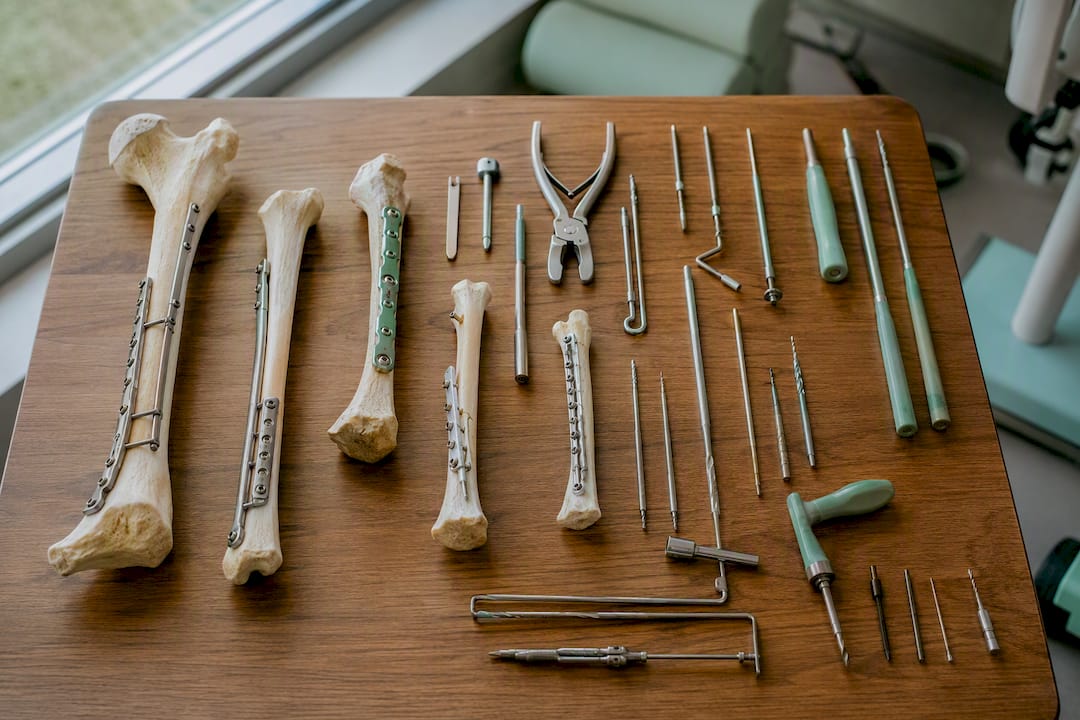
The encouraging part: timing your quit date matters, and the benefit shows up fast. The same research found that patients who quit smoking at least four weeks before surgery had a significantly reduced odds of postoperative wound infection compared with those who kept smoking through their procedure. Four weeks is a short window in the context of a lifetime smoking history, and it is a realistic target if you have elective bone surgery scheduled.
A caveat worth stating plainly: the research is more consistent on infection risk than on bone union itself. Clinical guidance on preoperative cessation generally treats four weeks as a practical minimum, not a guarantee, and recommends longer smoke-free periods when surgery timing allows it.
If you have bone surgery scheduled, prioritize these steps:
- Set a quit date at least four weeks before your surgery date, earlier if your surgeon can accommodate flexible scheduling.
- Ask your surgeon directly how your smoking history factors into their assessment of nonunion risk for your specific procedure.
- Avoid assuming nicotine replacement products are a “safe” bridge during this window. Nicotine itself appears to impair bone formation independent of the other chemicals in tobacco smoke.
- Follow post-surgical activity and loading instructions closely. Fracture healing in smokers already runs slower on average, so deviating from the protocol adds further risk.
A Prioritized Plan to Protect Your Bones Starting Now
You do not need to fix everything at once. Here is the order that gives you the biggest return for your effort, based on where the strongest evidence points.
- Quit smoking, and be thoughtful about how. Cessation is the single highest-leverage move available, given the BMD gains documented within a year of quitting. If you use nicotine replacement therapy or vaping to quit, know that nicotine itself appears to impair bone formation, so treat NRT as a bridge to full cessation rather than a permanent substitute.
- Get a baseline bone density scan. If you have significant pack-year history, don’t wait for a fracture to find out where you stand. This gives you a number to measure future progress against.
- Start progressive resistance training. Mechanical loading is one of the few things that reliably stimulates new bone formation. Two to three sessions a week targeting major muscle groups, with gradually increasing resistance, is a reasonable starting point for most adults.
- Add safe high-impact activity if your bone density allows it. Activities like brisk walking with intermittent jogging intervals, or supervised jump training, load bone in ways that pure resistance work does not. Check with your doctor first if you already have low BMD, since some high-impact movement carries fracture risk of its own at that stage.
- Work on balance, not just strength. Smoking’s effect on muscle function and coordination raises fall risk, and a fall is often the event that turns weak bone into a fracture. Simple balance drills, tai chi, or a physical therapist referral all help here.
- Hit your calcium, vitamin D, and protein targets through food first. Aim for calcium-rich foods like dairy, leafy greens, and fortified products, along with adequate protein at each meal, before leaning on supplements. Smoking’s impact on nutrient absorption means hitting these targets consistently matters more for smokers than for nonsmokers.
- Talk to your doctor about medication if your DXA results warrant it. Bisphosphonates and other osteoporosis medications are sometimes appropriate for smokers with confirmed bone loss, and your smoking status is part of what your doctor weighs in that decision.
- Fall-proof your home. Remove loose rugs, improve lighting on stairs, and install grab bars in bathrooms if you are in a higher fracture-risk category. This sounds unrelated to smoking, but it is where the compounding risk factors, weaker bone plus impaired balance, actually turn into a broken hip.
Pro Tip: If quitting cold turkey feels impossible, reducing pack-years even partially still helps. The dose-response relationship means any reduction in cumulative exposure translates to somewhat less bone loss, even if you have not fully quit yet.
When to Get Tested and What the Results Mean
A DXA (dual-energy X-ray absorptiometry) scan is the standard test for bone density, and it produces a T-score comparing your bone density to a healthy young adult. A T-score between negative 1.0 and negative 2.5 indicates osteopenia, lower than normal bone density. Below negative 2.5 indicates osteoporosis.
Your doctor may also use FRAX, a risk calculator that factors in current smoking status alongside age, weight, and other variables to estimate your 10-year probability of a major fracture. Because FRAX treats smoking as an active input, quitting can shift your calculated risk score over time, giving you another concrete reason to track.
Get tested if any of these apply to you:
- You are a woman over 65 or a man over 70, especially with any smoking history.
- You have smoked for 10 or more pack-years at any age.
- You have experienced a fracture from a minor fall or bump, sometimes called a minimal-trauma fracture.
- You have other risk factors like family history of osteoporosis, low body weight, or long-term steroid use.
Ask your clinician how often you should repeat the scan and whether your smoking status changes their recommended monitoring interval.
Where Osteogenic Loading Fits Into a Bone-Building Plan
Osteogenic loading is a method of applying brief, targeted mechanical force to your skeleton, well beyond what typical resistance training produces, to stimulate the body’s natural bone-building response. At Osteostrong centers, clients typically come in once a week for a session lasting under 15 minutes, working with specialized equipment rather than free weights or machines.
Osteostrong centers also offer supportive modalities that some clients use alongside their weekly sessions, including red light therapy, PEMF mats, the BioCharger, the PureWave VEMI lounge, compression therapy, vibration plates, and hydromassage lounges. These are positioned as complementary tools for recovery and circulation, not replacements for the core osteogenic loading sessions or for medical treatment. Osteostrong also publishes practical guides on protein and creatine intake for bone health and food-based calcium targets that reflect the nutrition side of a comprehensive approach.
None of this replaces your doctor. If you smoke or have quit recently and are concerned about bone density, coordinate any in-person therapy program with your treating clinician, particularly if you already have a diagnosed fracture, osteoporosis, or another condition affecting bone health.
What I Think Actually Matters Here
The evidence on smoking and bone density is not ambiguous, and the size of the effect surprises people even when they already know smoking is bad for them. What is underappreciated is the flip side: bone responds to quitting faster than most people expect, with measurable BMD gains within a single year. That is not true of every organ system damaged by smoking, and it deserves more attention than it gets.
The mistake I see most often is treating quitting as the finish line rather than the starting gun. Former smokers still carry intermediate fracture risk for a stretch after cessation, which means the people who benefit most are the ones who pair quitting with a DXA scan, resistance training, and a real look at their diet, not the ones who quit and assume their skeleton will quietly fix itself.
— Aaron
Consider Osteogenic Loading as Part of Your Bone-Building Plan
If you have quit smoking, or you are working on it, and want to actively rebuild what your bones lost, medical care and lifestyle changes address part of the equation, but mechanical loading is what actually signals your skeleton to build new bone. Osteostrong offers a once-weekly session model built specifically around that principle, using specialized equipment to deliver brief, targeted loading that would be difficult to replicate safely on your own with free weights, especially if your bone density is already reduced.

A typical first visit includes a baseline strength assessment so you and the Osteostrong team can track progress session over session. Clients dealing with osteopenia or osteoporosis often use these sessions alongside their physician’s monitoring and treatment plan, not instead of it. If your doctor has recommended more mechanical loading as part of your recovery from smoking-related bone loss, find a nearby Osteostrong center and schedule a first visit to see what a baseline assessment looks like for you.
Sources
For readers who want to go deeper into the primary research behind this article, these sources cover the meta-analyses, mechanistic reviews, and clinical guidance referenced throughout:
- A meta-analysis of the effects of cigarette smoking on bone mineral density and risk of hip fracture (PMC)
- Study reporting BMD changes after smoking cessation (PubMed)
These cover the full arc from population-level risk statistics to the cellular mechanisms and post-cessation recovery data that inform the practical guidance above.
This article is general information, not a substitute for advice from a qualified doctor. Consult a qualified healthcare professional about your own circumstances before acting on anything here.